Key Takeaways
- CATL unveiled a 15,000-cycle sodium battery, targeting EVs with up to 600 km range.
- Wanhua Chemical-backed anodes may cut supply risks and ease battery cost pressures.
- CATL plans rollout later in 2026; third-party tests will gauge cold-weather claims.
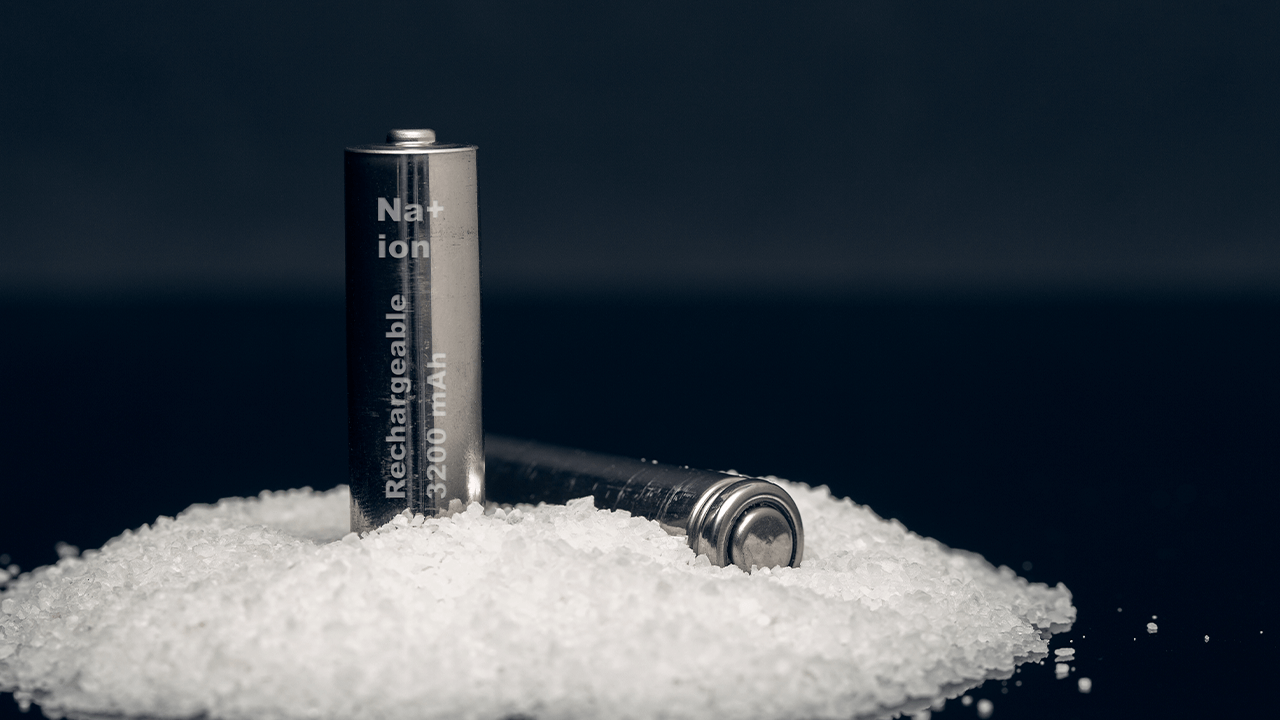
At a MIIT-backed showcase, CATL put sodium back in the EV spotlight with cells built to shrug off deep cold and reportedly last up to 20 years. Its “One Shell, Two Cells” design lets carmakers slot sodium and lithium packs interchangeably, shaving platform costs while expanding options. By tapping synthetic carbon anodes made from domestic coal through suppliers like Wanhua Chemical, China is peeling imported organics out of the supply chain. If the specs translate to roads, roughly 15,000-cycle durability and steady winter performance could push 600 km EVs into the mainstream without leaning on brittle lithium routes.
A cold-weather challenge meets a new solution
Winter is hard on batteries, from EVs in Minnesota to home storage in Maine. Lithium-ion cells lose punch as temperatures drop, which hurts range and reliability. A different chemistry is stepping forward. Sodium-ion promises steadier performance in deep cold and lower material risk, which could matter for grid storage and budget EV trims if the tech scales as advertised.
CATL’s announcement and new platform
At a recent industry event in China, CATL unveiled its first large-scale sodium-ion battery rollout set to begin later this year. The centerpiece is a hybrid pack architecture called One Shell, Two Cells, which allows automakers or storage vendors to combine sodium-ion and lithium-ion cells inside the same enclosure. That mix-and-match approach targets faster integration without retooling entire product lines.
Longer battery life, better cold performance
CATL says its sodium-ion cells are built for longevity: up to 15,000 cycles and as much as 20 years of service under typical conditions. The company also highlights capacity retention in frigid climates, where lithium-ion packs can see sharp output drops. If these specs hold in third-party testing, the chemistry could fit U.S. uses from school bus depots to residential batteries paired with rooftop solar.
Supply chain angles, from anodes to geopolitics
Another pitch is supply certainty. Instead of hard carbon made from coconut husks, CATL’s sodium batteries use synthetic hard carbon derived from coal for the anode. That choice, supported by suppliers like Wanhua Chemical, cuts exposure to volatile biomass supply chains. For U.S. buyers navigating Inflation Reduction Act rules, sodium’s abundant raw material base could complement existing lithium and LFP strategies.
Implications for EVs and energy markets
The hybrid approach matters for drivers, not just engineers. Packs blending sodium and lithium could balance cost, cold-weather resilience and energy density, with CATL suggesting potential vehicle ranges up to 372 miles depending on configuration. U.S. launch timing is unconfirmed. Yet utility-scale storage, commercial fleets in colder states, and entry-level EVs look like early fits if performance and pricing land as claimed.
The bigger story is optionality. Sodium-ion is unlikely to replace lithium-ion across the board. It could, however, take pressure off constrained materials and make batteries more reliable in harsh winters. That combination, plus flexible pack designs, is exactly the kind of practical progress the U.S. market tends to reward once pilots prove out.