Key Takeaways
- Judge Wilson ruled on June 1 that Square Mangundhla’s 1,680 bitcoins were lawfully seized as capital.
- The decision clashes with a May 2026 SARB and FSCA statement denying crypto’s status as legal tender.
- Expect tension ahead as South African regulators navigate this new legal framework for digital assets.
The Catalyst: Seizure of 1,680 Bitcoins
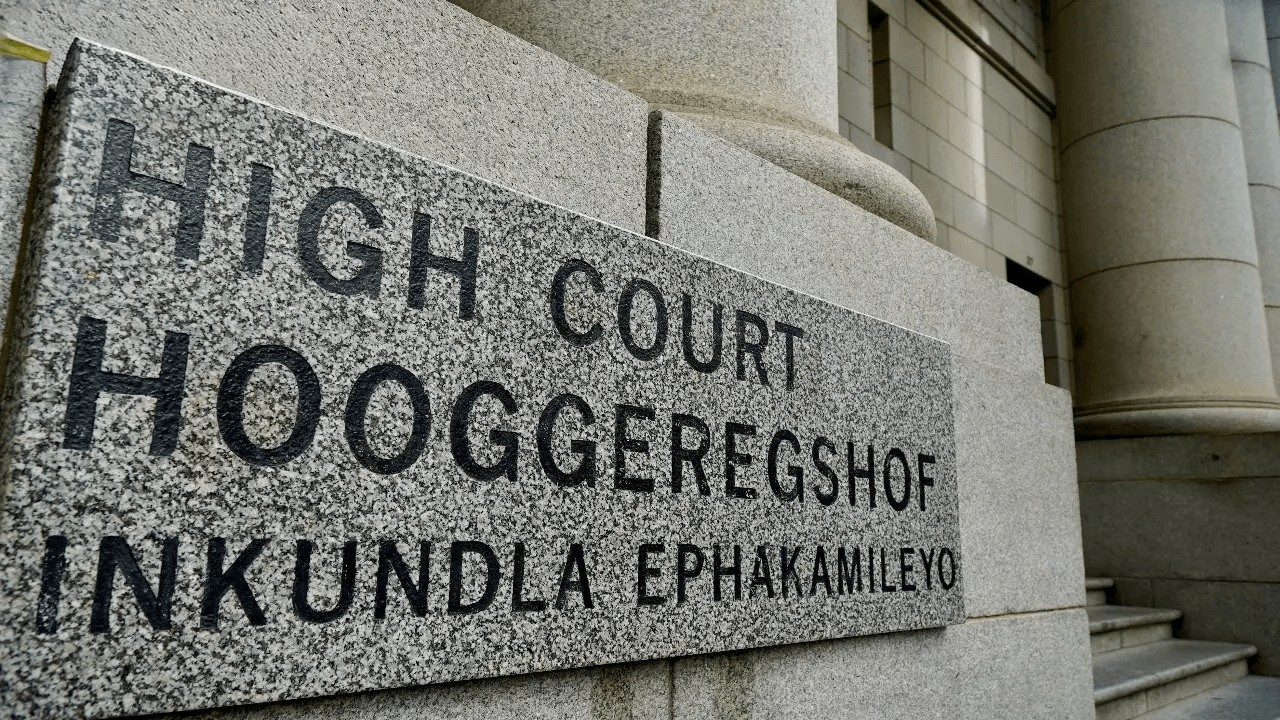
A South African High Court has ruled that bitcoin can be treated as capital because it satisfies the definition of a financial asset capable of holding value or serving as a medium of exchange. In his ruling delivered June 1, Judge Stuart David James Wilson argued that the fact that bitcoin is purchased with local currency, held for speculation and accepted by some merchants as payment means it should be treated as capital.
The ruling, which came just days after the South African Reserve Bank issued a statement asserting that cryptocurrency is not a medium of exchange, stems from a case brought by a cryptocurrency trader whose 1,680 bitcoins were seized by the central bank in 2022. The cryptocurrency was seized after the South African Reserve Bank (SARB) determined that trader Square Mangundhla had violated sections of the Exchange Control Regulations. The regulations prohibit the export of capital without Treasury approval and payments to nonresidents without permission.
In his application challenging the forfeiture, Mangundhla argued that bitcoin does not constitute capital, money or a security as defined in the Currency and Exchanges Act of 1933 and the Exchange Control Regulations of 1961. Citing another High Court ruling that declared cryptocurrency is not capital, Mangundhla also rejected the SARB’s determination that he exported capital when he transferred funds from local exchange Luno to overseas exchanges. He also argued that the central bank did not follow the law when it confiscated his cryptocurrency because the regulations only permit forfeiture of “goods or money,” and bitcoin did not fall into either category.
In rejecting the applicant’s main arguments, Wilson warned that excluding cryptocurrency from exchange controls would give individuals cover to circumvent restrictions by converting rands to bitcoin and transferring value offshore. The judge also appeared to take aim at a 2025 ruling delivered by Judge Mandlenkosi Motha for placing undue emphasis on the technological nature of cryptocurrency rather than on the purpose of exchange control legislation.
On the legality of the forfeiture, the judge found that bitcoin qualifies as a negotiable instrument under the regulations, which makes it a form of money. This makes the forfeiture lawful, Wilson added.
This latest High Court ruling appears to undercut a joint statement issued by the SARB and the Financial Sector Conduct Authority toward the end of May. The regulatory bodies reiterated their longstanding view that cryptocurrencies are “neither money as defined in the NPS Act nor funds and are therefore not legal tender.” That joint statement aligned with Motha’s conclusion that cryptocurrencies do not meet the standard to be regarded as money.