Key Takeaways
- British Museum identified Dom van Keulen on June 18, 2026, ending a nearly 30-year mystery.
- Ian Friel linked 1633 records to 400+ gold coins, strengthening maritime archaeology research.
- Historic England will keep the 98-foot wreck protected as 2026 findings reach wider audiences.
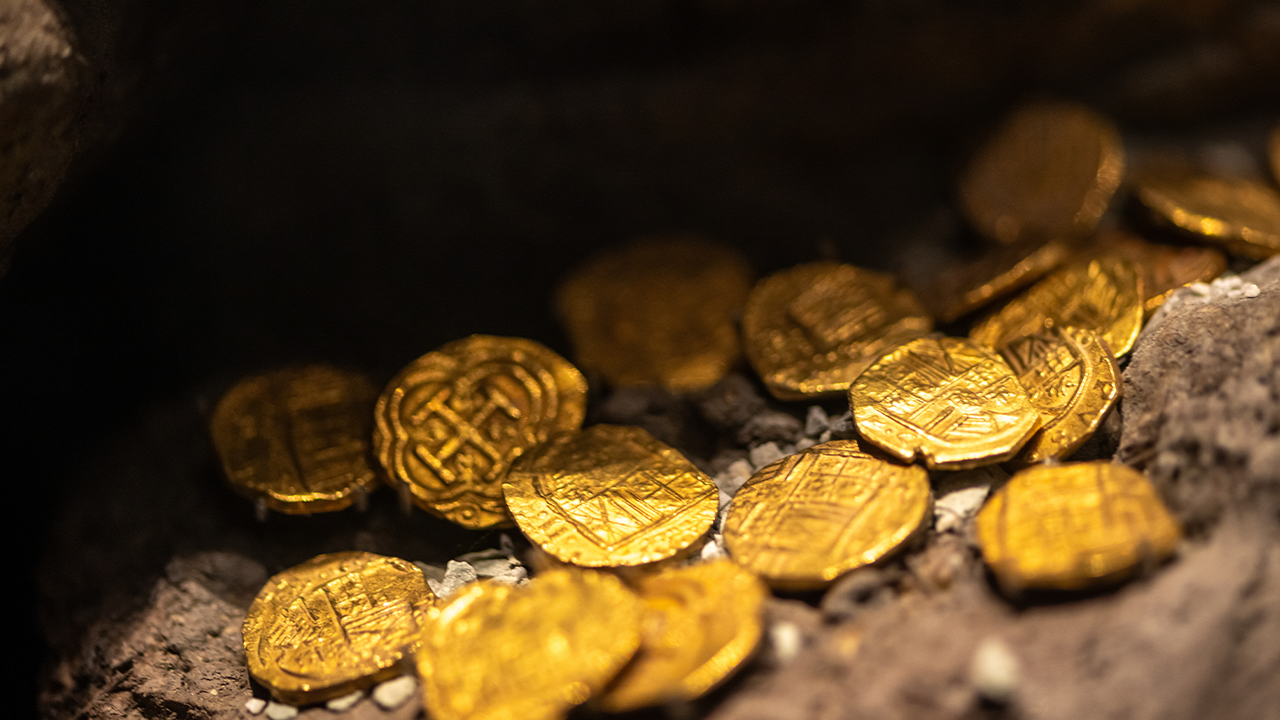
Off Salcombe Bay on England’s south coast, divers stumbled onto a 17th-century wreck in 1995 with more than 400 gold coins still scattered on the seabed. The haul hinted at a much bigger cargo that researchers think was mostly salvaged soon after the ship went down, but the vessel’s name and backstory stayed frustratingly out of reach. After nearly 30 years of work by the British Museum, Bournemouth University, and the South West Maritime Archaeology Group, the mystery was pinned down on 6/18/2026: the wreck is the Dutch trader Dom van Keulen, which left Morocco for the Netherlands in autumn 1633 and sank after it “met with much tempestuous weather.” The protected site, monitored and tightly controlled under the 1973 Protection of Wrecks Act, has become a rare paper trail meets seafloor detective story.
A 30-year mystery, solved on June 18
Sometimes the best tech story is really a data story, even if the “dataset” sits 60 feet underwater. Divers found a 17th-century wreck off Salcombe Bay, Devon in 1995, with more than 400 gold coins still scattered on the seabed. The identity stayed stubbornly unclear until June 18, 2026, when researchers named it: the Dutch trader Dom van Keulen.
What that cargo says about an early supply chain
The ship had left Morocco for the Netherlands in the autumn of 1633, and the surviving records make the trip feel surprisingly modern, a long-haul logistics run with highly specific inventory. Dave Parham, Professor of Maritime Archaeology at Bournemouth University, said, “Among its cargo were 150 bags of gum arabic, 64 bags of saltpetre, 320 goat skins and 9,000 Barbary ducats, gold Moroccan coins.”
The voyage ended after it “met with much tempestuous weather,” springing a leak and sinking near the Devon coast. The entire crew survived, and researchers believe most of the original cargo was salvaged soon after, leaving the coin trail as the most durable clue.
Paper trails, hard evidence, and one key record find
The breakthrough came from independent historian Ian Friel, who uncovered High Court of Admiralty documents in the UK’s National Archives. Those records include a 1633 claim on the wreck by Amsterdam merchants João de Pas and Andrea de Azevedo, tying the site to a specific ship and voyage, as High Court of Admiralty records were connected back to the wreck’s physical evidence.
That physical evidence had its own timestamp: the most recent coin recovered was struck in 1632, confirming the ship could not have sunk before that year. It is a reminder that investigation often works best when archives and artifacts can corroborate each other, instead of competing for the final word.
Protecting the site, and publishing the receipts
Today the wreck is treated like critical infrastructure for historians. It is designated under the Protection of Wrecks Act 1973 and managed by Historic England, with diving restricted to those licensed by the Secretary of State at DCMS. Monitoring comes from the National Coastwatch Institution’s Prawle Point station, and Devon & Cornwall Police’s marine unit patrols under Operation Birdie.
Researchers documented the 98-foot-long site, which still holds cannons, anchors, and smaller cargo items, per Popular Science. The team, including the British Museum and Bournemouth University, also published its findings in a 2026 book with an Open Access version online, so the next curious reader does not have to wait 30 years for the footnotes.